
оставить сообщение
Если вас заинтересовала наша продукция и вы хотите узнать больше подробностей, пожалуйста, оставьте сообщение здесь, мы ответим вам как можно скорее.




Лучшая покупка этой зимы! Цвет и вязка просто восхитительны, и она такая удобная! Проехала из Нью-Йорка в Майами, ни разу её не снимая. Супер милая!!
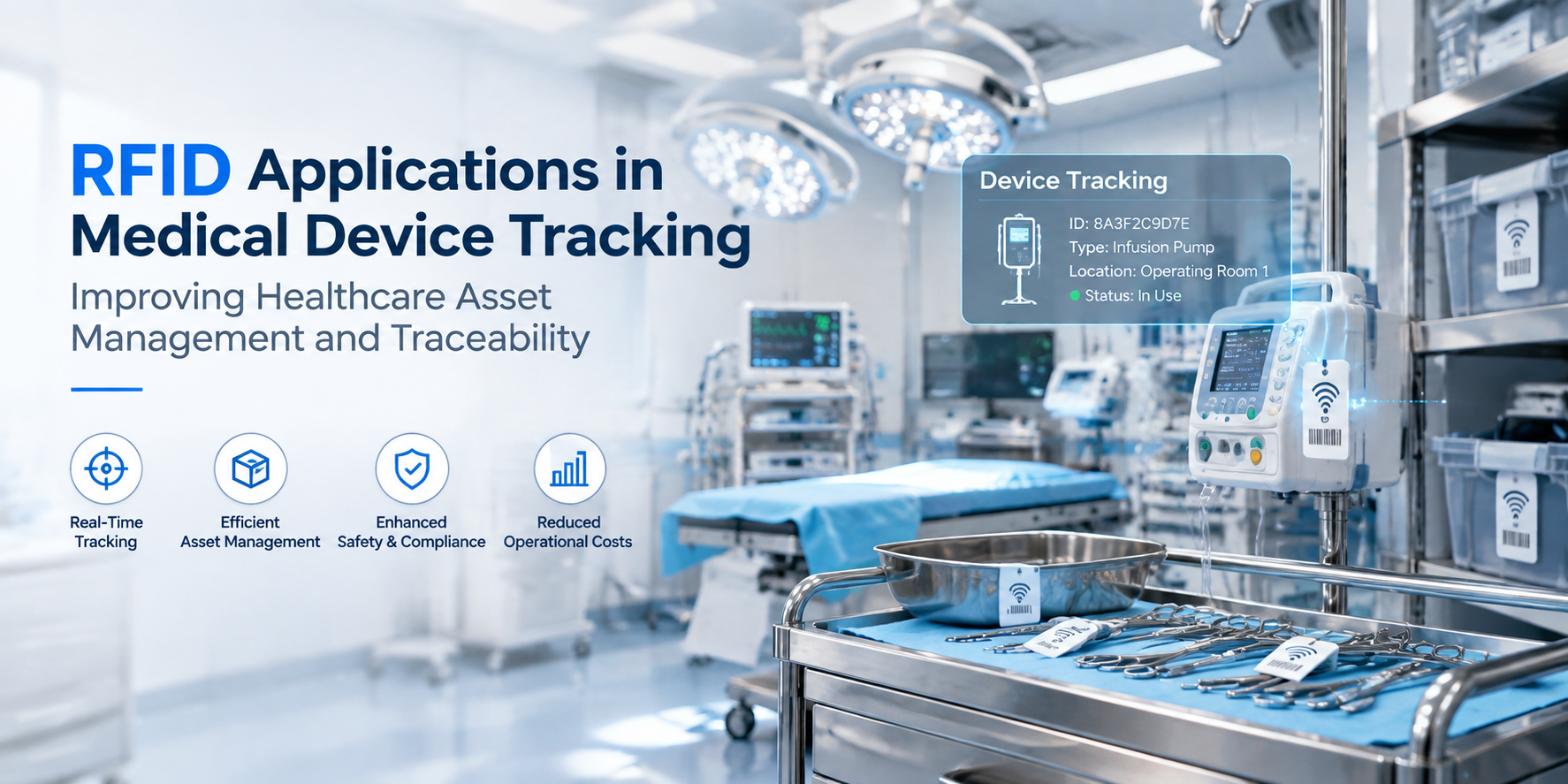
В современных системах здравоохранения медицинские приборы играют решающую роль в диагностике, лечении, хирургических операциях и мониторинге состояния пациентов. От хирургических инструментов и инфузионных насосов до имплантируемых устройств и оборудования для оказания неотложной помощи — больницы ежедневно управляют тысячами медицинских устройств. Однако традиционные методы учета, такие как ручная регистрация, штрих-коды и бумажные системы учета, часто создают проблемы, включая потерю оборудования, неэффективное использование активов, неточные данные об инвентаризации и увеличение операционных расходов.
Технология радиочастотной идентификации (RFID) стала передовым решением для отслеживания медицинского оборудования. Используя радиоволны для автоматической идентификации и мониторинга медицинского оборудования, RFID позволяет больницам, производителям и медицинским учреждениям получать информацию в режиме реального времени, повышать эффективность рабочих процессов и улучшать безопасность пациентов.
В данной статье рассматривается использование RFID для отслеживания медицинских устройств, принципы его работы, основные области применения, преимущества и будущие тенденции в управлении активами в сфере здравоохранения.
RFID (радиочастотная идентификация) — это технология автоматической идентификации, использующая электромагнитные поля для передачи данных между RFID-метками и RFID-считывателями. В отличие от традиционных систем штрих-кодирования, RFID не требует прямого сканирования или прямой видимости. Можно одновременно идентифицировать несколько помеченных объектов, что делает RFID особенно подходящей для сложных медицинских учреждений.
Типичная RFID-система состоит из трех основных компонентов:
RFID-метки — это небольшие электронные устройства, крепящиеся к медицинскому оборудованию. Каждая метка содержит уникальный идентификационный номер и хранящуюся информацию об устройстве.
В зависимости от требований к применению, RFID-метки могут быть:
RFID-считыватели передают радиосигналы для обнаружения находящихся поблизости меток и сбора информации. Считыватели могут быть установлены в:
Собранные данные передаются в централизованную программную систему, где больницы могут отслеживать местоположение устройств, историю использования, состояние технического обслуживания и информацию об инвентаризации.
Как работает RFID в отслеживании медицинских устройств
Процесс отслеживания медицинских устройств с помощью RFID-технологии обычно включает несколько этапов:
К каждому медицинскому прибору прикрепляется уникальная RFID-метка. Метка может содержать такую информацию, как:
Например, хирургическому инструменту можно присвоить RFID-метку, которая будет регистрировать частоту его использования и циклы стерилизации.
Когда помеченное устройство попадает в зону действия RFID-считывателя, считыватель автоматически захватывает информацию с метки.
В отличие от сканирования штрих-кодов, медицинским работникам не нужно вручную сканировать каждое устройство. Это снижает количество человеческих ошибок и значительно экономит время.
Собранные данные RFID передаются в больничные информационные системы, платформы управления активами или системы электронных медицинских карт.
Администраторы медицинских учреждений затем могут просмотреть:
Основные области применения RFID в отслеживании медицинских устройств.
Одно из важнейших применений технологии RFID — это управление хирургическими инструментами.
В больницах часто хранятся тысячи хирургических инструментов, требующих строгой стерилизации и учета запасов. Отсутствие инструментов может задерживать операции и увеличивать операционные риски.
Технология RFID позволяет больницам:
Например, хирургические инструменты с RFID-метками могут автоматически сканироваться до и после процедур, чтобы гарантировать учет всех инструментов.
В крупных больницах часто имеются тысячи мобильных медицинских устройств, в том числе:
Без эффективной системы отслеживания медицинские работники могут тратить ценное время на поиск доступного оборудования.
Технология RFID обеспечивает получение информации о местоположении в режиме реального времени, позволяя персоналу быстро находить необходимые устройства.
В число преимуществ входят:
Управление запасами является серьезной проблемой в медицинских учреждениях. Традиционные методы инвентаризации требуют от сотрудников ручной проверки оборудования, что отнимает много времени и чревато ошибками.
Технология RFID позволяет автоматизировать мониторинг складских запасов.
Больницы могут быстро определить:
Это повышает точность учета запасов и способствует принятию решений о закупках на основе данных.
Для обеспечения безопасности медицинских изделий необходимы регулярные проверки, калибровка и техническое обслуживание.
Системы RFID могут хранить и обновлять информацию о техническом обслуживании, в том числе:
Когда приближается срок технического обслуживания устройства, система может автоматически генерировать оповещения.
Это помогает организациям здравоохранения соблюдать нормативные требования и снижать количество отказов оборудования.
Технология RFID также все чаще используется в одноразовых медицинских изделиях, таких как:
Технология RFID помогает больницам отслеживать:
Это позволяет сократить количество отходов и улучшить доступность поставок.
Преимущества отслеживания медицинских устройств с помощью RFID-технологии
Ручной поиск оборудования и инвентаризация отнимают значительные ресурсы в сфере здравоохранения.
Технология RFID автоматизирует эти процессы, позволяя медицинскому персоналу больше сосредоточиться на уходе за пациентами, а не на управлении оборудованием.
Точное отслеживание медицинских устройств помогает предотвратить:
Благодаря повышению прозрачности на протяжении всего жизненного цикла оборудования, технология RFID способствует повышению безопасности в медицинских учреждениях.
Медицинские изделия представляют собой значительные инвестиции для организаций здравоохранения.
Технология RFID снижает затраты за счет:
Благодаря этому больницы смогут лучше понимать, какие устройства используются чаще всего, а какие ресурсы простаивают.
В сфере здравоохранения действуют строгие правила регулирования. Производители медицинских изделий и больницы обязаны вести подробную документацию, касающуюся истории эксплуатации и безопасности устройств.
Технология RFID обеспечивает соответствие нормативным требованиям, предоставляя точные данные отслеживания на протяжении всего жизненного цикла продукта.
Проблемы внедрения RFID в здравоохранении
Несмотря на множество преимуществ технологии RFID, остается ряд проблем.
Установка RFID-считывателей, программных систем и тысяч меток требует значительных инвестиций.
Перед внедрением мер медицинские организации должны оценить потенциальную экономию средств.
Системы RFID собирают большие объемы оперативных данных. Для предотвращения несанкционированного доступа необходимы надлежащие меры кибербезопасности.
Больницам необходимо:
Многие больницы уже используют различные информационные системы, в том числе:
Для успешной реализации RFID-технологии необходима эффективная интеграция с существующими платформами.
В некоторых медицинских учреждениях производительность RFID-систем может снижаться.
Такие факторы, как:
Это может повлиять на точность сигнала. Поэтому выбор соответствующих частот RFID и конструкции меток имеет важное значение.
Будущие тенденции использования RFID в отслеживании медицинских устройств
Будущее отслеживания медицинских устройств с помощью RFID-технологий тесно связано с искусственным интеллектом, Интернетом вещей (IoT) и интеллектуальными технологиями в здравоохранении.
Сочетая RFID-технологии с датчиками IoT, больницы могут создавать интеллектуальные сети медицинского оборудования.
Эти системы могут отслеживать:
в режиме реального времени.
Искусственный интеллект может анализировать данные, полученные с помощью RFID-технологии, для прогнозирования:
Это позволяет осуществлять проактивное управление вместо реактивного решения проблем.
По мере перехода больниц к цифровой трансформации технология RFID станет важной основой для интеллектуальной больничной инфраструктуры.
В будущих «умных» больницах могут использоваться RFID-системы для автоматического управления:
Заключение
Технология RFID меняет подход медицинских организаций к управлению медицинским оборудованием. Благодаря автоматической идентификации, отслеживанию в реальном времени и интеллектуальному управлению данными, RFID повышает доступность оборудования, операционную эффективность, соответствие нормативным требованиям и безопасность пациентов.
От хирургических инструментов и мобильного медицинского оборудования до расходных материалов и управления техническим обслуживанием, RFID представляет собой мощное решение для современных задач здравоохранения.
По мере того как системы здравоохранения продолжают внедрять цифровые технологии, отслеживание медицинских устройств на основе RFID будет играть все более важную роль в создании более интеллектуальных, безопасных и эффективных больниц.

Подробная информация и PDF-файл

Служба поддержки по электронной почте.

Профессиональная техническая консультация.

Служба поддержки по электронной почте.



СВЯЗЬ

YouTube

Фейсбук
оставить сообщение
Отсканируйте и отправьте в WeChat/WhatsApp :



 IPv6 ПОДДЕРЖИВАЕТСЯ СЕТЬ