
оставить сообщение
Если вас заинтересовала наша продукция и вы хотите узнать больше подробностей, пожалуйста, оставьте сообщение здесь, мы ответим вам как можно скорее.




Лучшая покупка этой зимы! Цвет и вязка просто восхитительны, и она такая удобная! Проехала из Нью-Йорка в Майами, ни разу её не снимая. Супер милая!!
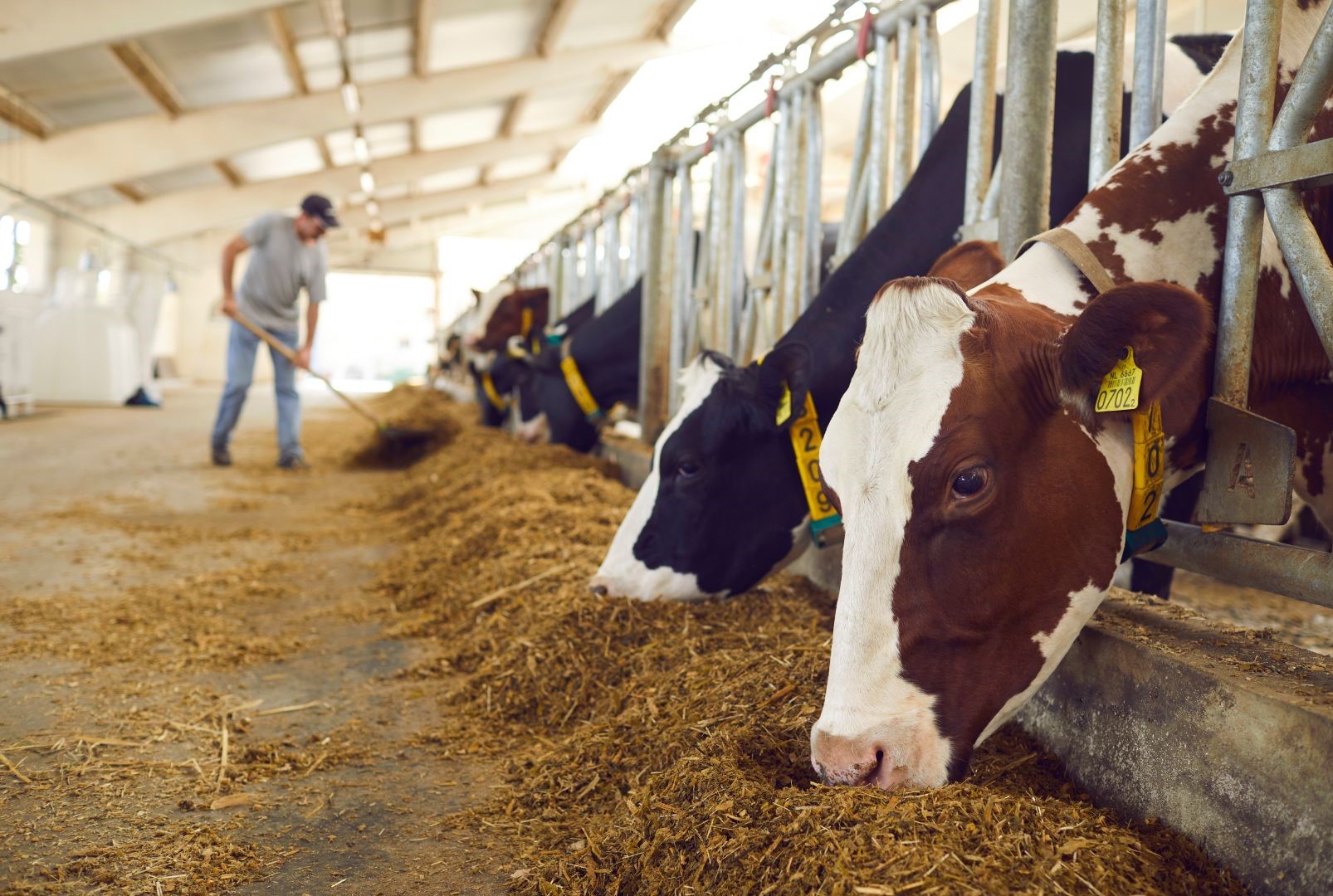
Как работают RFID-метки для крупного рогатого скота? Полное руководство по современной идентификации скота.
С внедрением цифровых технологий животноводство претерпело значительные изменения, и одним из наиболее значимых нововведений стала радиочастотная идентификация (RFID). RFID-метки для крупного рогатого скота стали незаменимым инструментом управления животноводством, позволяя фермерам отслеживать, идентифицировать и контролировать животных более эффективно, чем когда-либо прежде. От улучшения управления здоровьем стада до обеспечения прослеживаемости продуктов питания, технология RFID преобразует животноводческую отрасль во всем мире.
Но как же на самом деле работают RFID-метки для крупного рогатого скота? Понимание технологии, лежащей в основе этих меток, может помочь фермерам, животноводам и предприятиям, занимающимся разведением скота, максимально использовать их преимущества.
RFID-метки — это электронные идентификационные устройства, использующие радиоволны для передачи информации на RFID-считыватель. В животноводстве эти метки обычно прикрепляются к уху животного в виде RFID-меток. Каждая метка содержит уникальный идентификационный номер, позволяющий отличить одно животное от другого.
В отличие от традиционных визуальных ушных бирок, RFID-метки не требуют прямой видимости для сканирования. Информация может собираться автоматически и быстро, даже когда животные перемещаются через загоны, ворота или кормушки.
Система идентификации крупного рогатого скота с использованием RFID-технологии обычно состоит из трех компонентов:
RFID-метка
RFID-считыватель
Программное обеспечение для управления или база данных
Вместе эти компоненты образуют цифровую систему идентификации и отслеживания скота.
Принцип работы RFID-меток для крупного рогатого скота основан на беспроводной связи между меткой и считывателем.
Когда RFID-считыватель излучает радиочастотные сигналы, находящиеся рядом RFID-метки принимают энергию и в ответ передают сохраненную информацию обратно считывателю. Затем считыватель отправляет эти данные на компьютер, облачную платформу или в систему управления животноводством для обработки.
Этот процесс занимает доли секунды и может быть разбит на четыре этапа:
RFID-считыватель генерирует радиоволны через свою антенну. Эти сигналы создают электромагнитное поле вокруг зоны считывания.
Когда помеченное животное попадает в зону действия считывателя, RFID-метка обнаруживает электромагнитное поле.
RFID-чип внутри метки отправляет свой уникальный идентификационный номер обратно считывателю.
Устройство для чтения фиксирует информацию и переносит ее в программное обеспечение для управления, где можно получить доступ к записям о животном или обновить их.
Весь этот процесс происходит автоматически, без физического контакта.
Несмотря на то, что RFID-метки на ушах выглядят просто снаружи, они содержат сложные электронные компоненты.
Микрочип хранит идентификационный номер животного и, при необходимости, другие данные.
Антенна принимает радиосигналы от считывателя и передает информацию обратно.
Микросхема и антенна заключены в прочный пластиковый корпус, рассчитанный на работу в суровых условиях сельскохозяйственного производства, включая дождь, грязь, солнечный свет и механические воздействия.
Поскольку крупный рогатый скот проводит большую часть своей жизни на открытом воздухе, RFID-метки должны обладать высокой устойчивостью к погодным условиям и износу.
В животноводстве обычно используются две основные категории RFID-меток.
RFID-метки низкого разрешения обычно работают на частоте 134,2 кГц, что является международным стандартом для идентификации животных.
К преимуществам относятся:
Превосходные показатели при работе вблизи воды и тканей животных.
Высокая точность считывания
Широко используется в программах идентификации скота.
В большинстве национальных систем отслеживания животных используется технология LF RFID.
УВЧ RFID-метки обычно работают в диапазоне частот от 860 до 960 МГц.
В число преимуществ входят:
Более длинные расстояния для чтения
Более быстрое массовое чтение
Способность идентифицировать несколько животных одновременно.
Системы UHF RFID все чаще внедряются в крупных животноводческих хозяйствах, где важен высокоскоростной сбор данных.
RFID-метки для крупного рогатого скота обычно устанавливаются в ухо животного с помощью специального аппликатора.
Процесс аналогичен установке обычной ушной бирки:
RFID-метка загружается в аппликатор.
Ухо дезинфицируется.
Метка размещена в рекомендованном месте.
Аппликатор закрепляет бирку через ухо.
После прикрепления бирка остается с животным на протяжении всей его жизни, обеспечивая постоянный способ идентификации.
Правильное размещение текста важно для обеспечения читаемости и благополучия животных.
Большинство RFID-меток для крупного рогатого скота содержат уникальный идентификационный номер, который связан с базой данных, содержащей подробные записи о животных.
Эти записи могут включать в себя:
Дата рождения
Информация о породе
записи о праве собственности
История вакцинации
Медицинские процедуры
Измерения веса
Репродуктивный статус
история движения
Записи о кормлении
Вместо хранения больших объемов информации непосредственно на метке, система RFID использует уникальный идентификатор в качестве ключа для доступа к данным, хранящимся в программном обеспечении для управления.
Такой подход позволяет неограниченно расширять количество записей, сохраняя при этом простоту и экономичность тегов.
Традиционные визуальные метки трудно считывать с расстояния, и они подвержены человеческим ошибкам.
Технология RFID обеспечивает точную и автоматическую идентификацию, снижая количество ошибок при ведении учета.
Работники фермы могут быстро сканировать животных, не записывая идентификационные номера вручную.
Это позволяет значительно сэкономить время при выполнении следующих действий:
Вакцинация
Взвешивание
Программы разведения
Санитарные проверки
Точная идентификация животных помогает фермерам отслеживать лечение и контролировать вспышки заболеваний.
В случае обнаружения заболевания, пораженных животных можно быстрее идентифицировать и изолировать.
Потребители и регулирующие органы все чаще требуют прозрачности в цепочке поставок продуктов питания.
Технология RFID обеспечивает полную отслеживаемость от момента рождения до переработки, помогая гарантировать безопасность пищевых продуктов и соблюдение нормативных требований.
Автоматизированная идентификация сокращает объем бумажной работы и ручного ввода данных, снижая трудозатраты и операционные расходы.
Собирая точные данные о каждом животном, фермеры могут принимать более взвешенные решения относительно разведения, кормления и ухода за здоровьем.
В зависимости от производственных требований можно использовать несколько типов RFID-считывателей.
Портативные считыватели позволяют работникам сканировать животных по отдельности во время осмотров или лечения.
Установленные на воротах, желобах, водопойных станциях или кормушках стационарные считыватели автоматически считывают данные с меток всякий раз, когда через них проходит скот.
Эти устройства позволяют увеличить зону считывания и широко используются на животноводческих фермах.
Современные считывающие устройства могут передавать данные по беспроводной связи в системы управления фермерским хозяйством, что позволяет осуществлять мониторинг и составление отчетов в режиме реального времени.
Несмотря на множество преимуществ, технология RFID предлагает фермерам ряд важных факторов, которые следует учитывать перед ее внедрением.
Для внедрения RFID-систем требуются инвестиции в метки, считыватели, программное обеспечение и инфраструктуру.
Однако многие предприятия достигают высокой окупаемости инвестиций за счет экономии на оплате труда и повышения производительности.
Иногда ушные бирки могут теряться из-за ограждений, кустарника или активности животных.
Выбор качественных тегов может значительно повысить показатели удержания пользователей.
Металлические конструкции, электрические помехи и неправильное размещение считывателя могут влиять на его работу.
Правильное проектирование системы имеет решающее значение для достижения оптимальной точности считывания.
В будущем управление животноводством все больше будет основываться на данных. Технология RFID в настоящее время интегрируется со следующими объектами:
платформы Интернета вещей (IoT)
Облачные системы управления
решения для GPS-слежения
Автоматизированные системы взвешивания
Аналитика на основе искусственного интеллекта
Технологии интеллектуального кормления
Эти интеграции позволяют фермерам получать более глубокое понимание поведения, здоровья и продуктивности животных.
По мере снижения затрат и совершенствования технологий ожидается, что внедрение RFID-технологий в животноводстве будет быстро расти как на небольших фермах, так и на крупных коммерческих ранчо.
RFID-метки для крупного рогатого скота работают за счет радиочастотной связи, обеспечивая быструю, точную и автоматическую идентификацию животных. Сочетая RFID-метки, считыватели и программное обеспечение для управления, фермеры могут эффективно отслеживать скот на протяжении всего его жизненного цикла.
От улучшения здоровья стада и снижения трудозатрат до повышения отслеживаемости и соблюдения нормативных требований, технология RFID стала краеугольным камнем современного управления животноводством. По мере того, как сельское хозяйство движется к большей автоматизации и принятию решений на основе данных, системы RFID будут продолжать играть решающую роль в повышении эффективности и устойчивости работы животноводов.

Подробная информация и PDF-файл

Служба поддержки по электронной почте.

Профессиональная техническая консультация.

Служба поддержки по электронной почте.



СВЯЗЬ

YouTube

Фейсбук
оставить сообщение
Отсканируйте и отправьте в WeChat/WhatsApp :



 IPv6 ПОДДЕРЖИВАЕТСЯ СЕТЬ